

It’s the question almost every patient asks before scheduling dental implant surgery: “Is this going to hurt?” The short answer is that most patients are genuinely surprised by how manageable the discomfort is. The longer answer depends on which stage of the process you’re asking about, because dental implants involve several distinct steps, and each one has a different pain profile.
At Vero Dental Spa, Dr. Jonothan Royal has placed hundreds of implants for patients across Vero Beach and Indian River County. Here’s an honest, stage-by-stage breakdown of what to expect.
And if you’re ready to get this process started, contact our implant dentist in Vero Beach today by calling (772) 778-5550.
Why Dental Implant Pain Fears Are Usually Worse Than Reality
When patients hear “titanium post drilled into the jawbone,” they brace themselves for something intense. But the jawbone itself has very few pain receptors compared to soft tissue. The surgery is performed under local anesthesia, and often sedation, which means the procedure itself is typically painless. You may feel pressure and movement, but sharp pain during surgery is rare.
The fear of dental implant pain is one of the most common reasons patients delay treatment. That delay almost always makes the underlying problem worse. If anxiety is holding you back, it’s worth knowing that our sedation dentistry options at Vero Dental Spa are designed specifically for patients who are nervous about procedures like this.
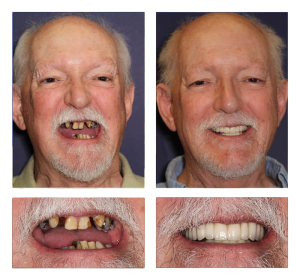
Stage 1: Implant Surgery and What You’ll Actually Feel
On surgery day, the area around the implant site is thoroughly numbed with local anesthetic before Dr. Royal makes any incision. Once you’re numb, the procedure involves creating a small opening in the gum, placing the titanium implant post into the jawbone, and closing the site.
During the procedure, most patients feel pressure and occasional vibration from the surgical instruments, but not pain. If you feel anything sharp at any point, you tell us, and we pause; it’s that simple.
For patients with significant anxiety or those having multiple implants placed at once, IV sedation is available. IV sedation keeps you deeply relaxed and largely unaware of the procedure while it’s happening. Many patients have little to no memory of the appointment afterward.
After the anesthesia wears off (typically 3 to 6 hours post-surgery), you can expect mild to moderate soreness around the implant site. Most patients manage this comfortably with over-the-counter ibuprofen and ice. We’ll send you home with specific aftercare instructions and, if needed, a short course of prescription pain medication, though many patients never use it.
Stage 2: The Healing Phase and Managing Discomfort While Osseointegration Happens
After surgery comes the osseointegration period, the 3 to 6 months during which the titanium post fuses with your jawbone. This is the foundation that makes dental implants so durable and lifelike.
Pain during osseointegration is minimal to none for most patients. The first 48 to 72 hours involve the most noticeable soreness, swelling, and possibly some bruising. After that, the discomfort fades significantly. Most patients return to normal activities within a day or two and go back to work the next day.
What can cause pain during healing is infection or implant failure, both of which are rare when placement is done correctly and aftercare instructions are followed. Warning signs to watch for include increasing pain (rather than decreasing), fever, or significant swelling that worsens after the third day. If you experience any of these, call us promptly. At Vero Dental Spa, Dr. Royal is reachable for post-operative questions and concerns.
Soft foods, no smoking, and gentle oral hygiene around the site are the main keys to a smooth healing phase. Most Vero Beach patients find the recovery far less disruptive than they anticipated.
Stage 3: Abutment Placement and Crown (The Easiest Part)
Once osseointegration is complete, a small connector piece called an abutment is attached to the implant post. This minor procedure is typically done under local anesthesia and causes minimal discomfort, often less than the original surgery. Some patients describe it as comparable to a routine dental appointment.
The final crown, custom-made to match your natural teeth in color, shape, and size, is then placed on top. At this stage, there’s no meaningful pain at all. You may notice some sensitivity as you adjust to biting and chewing with the new tooth, which typically resolves within a few weeks.
Once fully healed, dental implants don’t cause chronic pain. In fact, many patients who had a failing or infected tooth replaced with an implant report that they feel better than they have in years, because the source of their ongoing discomfort is gone.
Is Sedation Right for Your Dental Implant Surgery?
Local anesthesia alone is sufficient for most straightforward implant placements. But sedation is a smart option if you:
- Have significant dental anxiety or phobia
- Are having multiple implants placed in one session
- Have a strong gag reflex
- Want to have little or no awareness of the procedure
At Vero Dental Spa, we offer nitrous oxide (laughing gas), oral sedation, and IV sedation. Each option has different depths of relaxation and recovery times. Visit our sedation dentistry service page to learn which approach might be right for you, or ask Dr. Royal at your consultation. There’s no obligation, and no judgment if anxiety has kept you from the dentist longer than you’d like.
The benefits of sedation dentistry go beyond just comfort during the procedure. Patients who use sedation often have a more positive overall experience, which makes it easier to stay on top of dental care going forward.
Frequently Asked Questions About Dental Implant Pain
How painful is dental implant surgery compared to a tooth extraction?
Most patients report that dental implant surgery is comparable to, or less uncomfortable than, a tooth extraction. The bone has fewer pain receptors than the soft tissue surrounding a tooth, and local anesthesia effectively blocks sensation during the procedure. Post-operative soreness is usually mild to moderate and resolves within a few days.
What pain medication is used after dental implant surgery?
Over-the-counter ibuprofen (400–600 mg every 6–8 hours) is effective for most patients and also reduces swelling. Acetaminophen can be alternated for additional relief. For more complex cases or patients with lower pain tolerance, Dr. Royal may prescribe a short course of prescription medication. Most patients find they don’t need anything stronger than what’s available over the counter.
What does it feel like when osseointegration is happening?
You shouldn’t feel anything specific during osseointegration; it’s a gradual biological process. Mild aching or sensitivity in the early weeks is normal. What you should NOT feel is increasing or worsening pain, fever, or the implant feeling loose. Those are signs to call us immediately. The absence of pain is actually a good sign that healing is progressing normally.
Schedule Your Consultation for Dental Implants at Vero Dental Spa
Ready to find out if dental implants are right for you? Call Vero Dental Spa at (772) 778-5550 or book a complimentary consultation online. Dr. Royal will walk you through every stage of the process, including honest answers about what to expect, so you can make a confident decision about your smile.
