

Our Vero Beach Dentist Answers Your Most Asked Questions
Are you ready to transform your smile and regain confidence with a solution that looks, feels, and functions like natural teeth? Dental implants offer a revolutionary, long-lasting way to replace missing teeth, restoring not just your appearance but your quality of life. But we know you have questions, and we’re here to answer them! At Vero Dental Spa in Vero Beach, FL, our expert team is dedicated to supporting you every step of the way, ensuring a comfortable and successful implant experience.
To schedule your dental implant consultation, contact our Vero Beach dentists today at (772) 778-5550.
What are the components of a dental implant?
A dental implant comprises three primary parts:
- Implant Post: This is the titanium screw that is surgically inserted into the jawbone, acting as the root of the new tooth.
- Abutment: This connector piece is placed on top of the implant post, providing a stable base for the crown or denture.
- Crown: The visible part of the implant, usually made of porcelain or ceramic, is designed to match the color and shape of your natural teeth.
What are the benefits of dental implants?
| Benefit | Description | Impact Level |
| Natural Appearance | Implants mimic the look of natural teeth | High |
| Improved Functionality | Restores full chewing ability | High |
| Bone Preservation | Prevents bone loss in the jaw | Medium |
Who is a candidate for dental implants?
Ideal candidates typically:
- Good Oral Health: Candidates should have healthy gums and sufficient bone density to support the implant.
- Sufficient Bone Density: A strong jawbone is necessary for the implant to integrate properly.
- Commitment to Oral Hygiene: Candidates must be willing to maintain good oral hygiene practices to ensure the longevity of the implants.
People who may not be suitable candidates for implants include:
- Heavy smokers
- Pregnant women
- Young people whose jawbones are still developing
- Those with immune conditions
- Those with uncontrolled diabetes
- Alcohol or substance abusers
- People who have received a high dose of radiation to the head or neck (i.e., radiotherapy for cancer)
- People with hemophilia
- People who have a suppressed immune system
How long does dental implant recovery take?
Recovery duration varies by patient, but the general timeline is:
- Initial Healing: The first stage of healing typically takes 1 to 2 weeks, during which swelling and discomfort may occur.
- Osseointegration: This phase can take anywhere from 3 to 6 months, depending on the individual’s bone health and healing capacity.
- Final Restoration: Once osseointegration is complete, the final restoration can be placed, usually within a few weeks.
How do I care for my dental implants?
Dental implant care is similar to caring for your natural teeth:
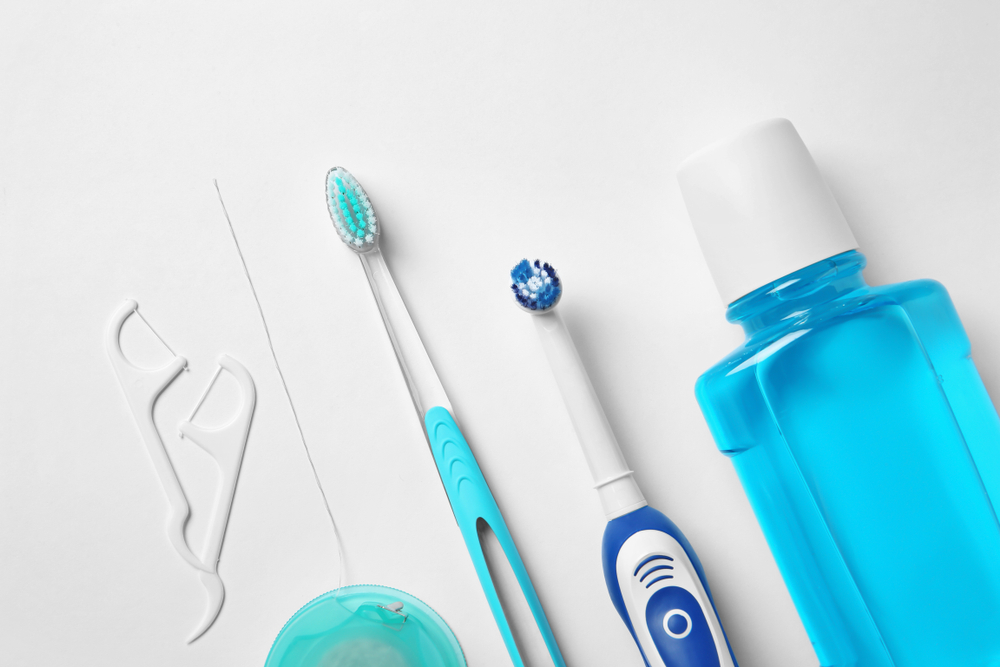
- Maintain Oral Hygiene: Brush and floss daily to prevent plaque buildup and gum disease.
- Regular Checkups: Schedule regular dental visits at Vero Dental Spa for professional cleanings and examinations.
- Use Special Dental Products: Consider interdental brushes or water flossers to clean around the implant area effectively.
What if I have dental anxiety about getting dental implants?
Dental anxiety is common. At Vero Dental Spa, we prioritise patient comfort and provide measures to reduce anxiety during treatment.
- Sedation Dentistry: Options such as nitrous oxide or oral sedation can help you relax during your procedure.
- Comfort Measures: Our team is trained to provide a supportive environment, ensuring you feel at ease throughout your visit.
- Patient Education: Understanding the procedure can help reduce anxiety; we take the time to explain each step and answer questions.
Does dental insurance cover dental implants?
Coverage for dental implants varies depending on your insurance plan. Some dental insurance policies may cover a portion of the implant procedure, while others may not cover implants at all. It is important to check with your insurance provider to understand your specific benefits and any out-of-pocket costs you may incur.
What is the number one cause of dental implant failure?
The most common cause of dental implant failure is peri-implantitis, an infection that affects the tissues surrounding the implant. Other factors contributing to failure include poor oral hygiene, insufficient bone density, smoking, uncontrolled diabetes, and excessive stress on the implant. Proper care and regular dental visits can help minimize the risk of implant failure.
What can be done instead of a dental implant?
If dental implants are not suitable, alternative tooth replacement options include:
- Dental Bridges: Fixed prosthetics that span the gap created by missing teeth, anchored to adjacent natural teeth.
- Partial or Full Dentures: Removable appliances that replace multiple missing teeth and restore function and appearance.
- Resin-Bonded Bridges: Less invasive bridges that use a metal or porcelain framework bonded to adjacent teeth.
How can I contact Vero Dental Spa?
To arrange a consultation or learn more about dental implants in Vero Beach, please use the contact details below.
- Phone: (772) 778-5550
- Address: 3036 20th St, Vero Beach, FL
Our team is available to answer questions and guide you through each step of the implant process.
Patient Reviews
What People Are Saying
Dr. Royal explains every procedure from start to finish
“Dr. Royal is a very experienced dentist. I found him by accident and glad I did. He explains every procedure from start to finish. I had very little discomfort. His staff is so friendly. I am impressed at how they work together so in sync. Again, I am so pleased to be able to give this feedback and I urge others who are seeking a great dental office to consider Vero Beach Dental Spa!”


Dr. Royal is by far the gentlest dentist I ever had!
“I have had horrific experiences with dentists in the past but Dr. Royal and Vero Dental Spa are the best. When it comes to numbing shots, Dr. Royal is by far the most gentle I have ever had. I hate needles and he made it easy and virtually painless! I highly recommend Vero Dental Spa, you won't be disappointed!!!”
Vero Dental Spa is the absolute best!!!
“I’ve always been afraid to go to the dentist but now, since my first time going I’m completely relaxed and the staff is incredible! ”
The front desk was welcoming.
“Had a cleaning at Vero Dental Spa today. The front desk was welcoming. As usual in less than 5 minutes I was in the chair. Marlene the hygienist deserves a special mention; she was polite, professional, thorough and gentle. Check out was a breeze. This is a well run office.”
Dr. Royal and the entire staff are welcoming
“Dr. Royal and the entire staff are welcoming, professional, and accommodating. Throw in genuine care and good humor. It all adds up to very positive experiences from beginning to end. Highly recommended!”
Dr Royal was so pleasant and professional.
“The entire experience was wonderful. From reception to checkout with Kelly, Elizabeth and Lindsay… Everyone, including Dr Royal was so pleasant and professional. Truly refreshing !”
Dr. Royal is very knowledgeable and a perfectionist
“I've been going here now about 2 years now. Dr. Royal is very knowledgeable and a perfectionist. He's very good at what he does nothing really more to say about it he's also very funny. I don't mind going to the dentist anymore!”
Dr. Royal is by far the gentlest dentist I ever had!
“I have had horrific experiences with dentists in the past but Dr. Royal and Vero Dental Spa are the best. When it comes to numbing shots, Dr. Royal is by far the most gentle I have ever had. I hate needles and he made it easy and virtually painless! I highly recommend Vero Dental Spa, you won't be disappointed!!!”
I highly recommend Vero Dental
“This office and its amazing staff has helped me work through treatment I have been putting off for years - I highly recommend Vero Dental and would not choose any other office.”
Dr. Royal and the staff were amazing
“My first visit today, Dr. Royal and the staff were amazing friendly, professional and efficient!! I was welcomed warmly by everyone and felt like I have always been a patient there! Thank you to the team at Vero Dental Spa! See you soon!!”
Everyone one was so nice and helpful
“Made my first visit to the Vero Dental Spa today and I was extremely satisfied. I was made to feel at ease. Everyone one was so nice and helpful. Going back tomorrow for a cleaning”
Dr, Royal & all of his staff are truly amazing.
“From the moment you walk in the door you are put at ease, They take the time to explain everything to you, They go out of their way to make sure you are comfortable and happy with the work they are doing. They truly are all artists that take pride in the work they do & the smiles they create. They are all wonderfully talented and incredibly passionate about what they do. Do your teeth the best favor you can ever do for them & make an appointment to see Dr Royal & the most awesome staff ever at Vero Dental Spa. Give yourself a reason to smile.”
They work hard, and are a great office
“Great, Great, Great! The staff makes the office. Period. Kind staff, doctors are efficient and understanding. They work hard, and are a great office. The new electronic system helps keep things running even more smoothly too. Throughout the last ten years, they have come through shining.”
I have finally found my favorite dentist!
“I have never had such a wonderful experience at the dentist! The staff was so friendly and sweet! Dr. Royal has a great sense of humor and put me at ease even in a dental emergency! I have found my favorite dentist, finally!! Thank you to the staff at Vero Dental Spa, look forward to seeing you again soon!”
Get Your Complimentary
Consultation or 2nd Opinion
- Exam
- Full mouth X-ray
- Private Consultation with Doctor ($350 value)
 3036 20th St,
Vero Beach, FL 32960 (772) 778-5550
Working hours
- Monday: 8am - 5pm
- Tuesday: 8am - 5pm
- Wednesday: 8am - 5pm
- Thursday: 8am - 5pm
- Friday: 8am - 1pm
- Saturday & Sunday: Closed
