

Is Sedation Dentistry Right for You?
Are you avoiding dental treatments because you’re too scared to make it to your appointment? Avoiding the dentist can be detrimental to your dental hygiene, leading to severe oral health problems. Sedation dentistry is a safe and effective way to get the dental care you’ve been avoiding. All you have to worry about is showing up to your appointment and having a ride home from the treatment.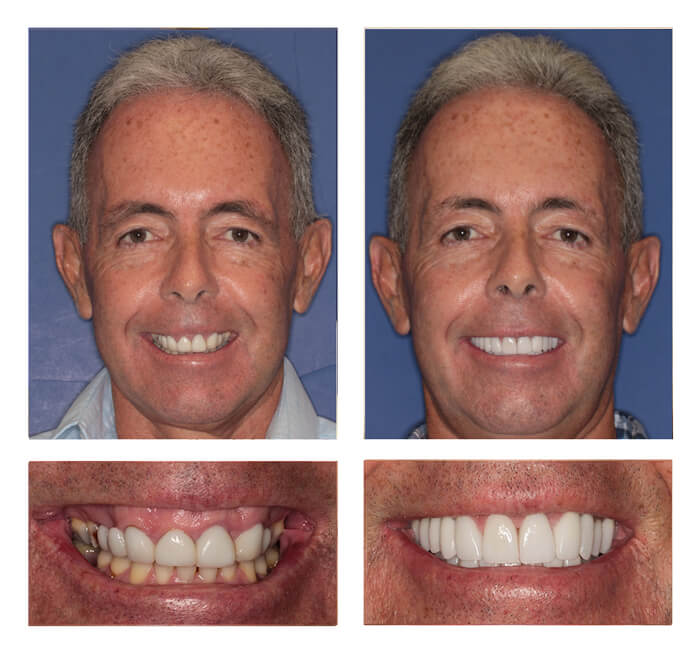
Sedation dentistry, especially oral conscious sedation, is administered by an anti-anxiety medication to make you feel more comfortable during your appointment. If you feel pain when eating, have a sensitive gag reflex, or have a hard time getting numb from a local anesthetic, then you are an ideal candidate for sedation dentistry.
You might also be a candidate for sedation dentistry if you have a hard time feeling physically comfortable in the dentist’s chair. This is especially common for patients with neck and back pain. Whether you want routine teeth whitening or need extensive restorative treatments, you will probably qualify for sedation dentistry at Vero Dental Spa!
Who Can Benefit from Sedation Dentistry?
Patients of almost any age can benefit from different forms of sedation dentistry. Teenagers, adults, and seniors with dental anxiety are great candidates for sedation. Typically, children get nitrous oxide for relaxation.
Patients that fear treatments like root canals, wisdom teeth removal, or other oral surgery are also viable candidates for sedation dentistry. It’s also commonly used to relax patients that suffer from general anxiety or other mental illnesses.
-
Beyond patients with dental anxiety, sedation is also a good option for those who want to get all their work done in one appointment without taking breaks. With sedation dentistry, you can relax and feel at ease during your appointment with the ability to answer questions safely.
Almost any patient can qualify for sedation, but it’s especially helpful in addressing the following conditions:
What Sedation Looks Like in Different Cases
Depending on your condition, the type of dental sedation used will vary. However, the typical sedation treatment will look like the following:
-
The Initial Consultation
We’ll talk to you about your medical conditions, anxiety levels, and any medication that you take during your initial consultation. Based on your information, we can prescribe the appropriate dose for your unique situation and treatment.
-
Oral Sedation Medication
Based on your prescription, you will be given an oral pill before your dental treatment. The dental sedation will take effect immediately after you take it. You should plan on having someone drive you to and from your appointment.
-
Local Anesthetic
Before treatment, you will receive a local anesthetic to make sure you’re completely numb.
-
Effects of Sedation
The effects of dental sedation will depend on the medication used, the dosage, and the individual patient. In most oral sedation cases, patients will feel drowsy and relaxed. Your breathing, physical and verbal responses, and protective reflexes won’t be altered by sedation. You also won’t remember much of the procedure afterward.
-
Recovery from Sedation
The effects of moderate dental sedation will wear off within 6-12 hours.
When to Avoid Sedation Dentistry
If you’re allergic to benzodiazepine or are already taking anxiolytics like Valium or Xanax, be sure to discuss this with us before your treatment.
Are You Eligible for Sedation Dentistry at Vero Dental Spa?
-
If you feel fearful of going to the dentist, you might be a candidate for sedation dentistry. Talk to us about all your anxieties before your dental treatment so we can comfort you during the experience. Want to learn more about sedation dentistry? Call Vero Dental Spa today for a consultation appointment!
Patient Reviews
What People Are Saying
Dr. Royal explains every procedure from start to finish
“Dr. Royal is a very experienced dentist. I found him by accident and glad I did. He explains every procedure from start to finish. I had very little discomfort. His staff is so friendly. I am impressed at how they work together so in sync. Again, I am so pleased to be able to give this feedback and I urge others who are seeking a great dental office to consider Vero Beach Dental Spa!”


Dr. Royal is by far the gentlest dentist I ever had!
“I have had horrific experiences with dentists in the past but Dr. Royal and Vero Dental Spa are the best. When it comes to numbing shots, Dr. Royal is by far the most gentle I have ever had. I hate needles and he made it easy and virtually painless! I highly recommend Vero Dental Spa, you won't be disappointed!!!”
Vero Dental Spa is the absolute best!!!
“I’ve always been afraid to go to the dentist but now, since my first time going I’m completely relaxed and the staff is incredible! ”
The front desk was welcoming.
“Had a cleaning at Vero Dental Spa today. The front desk was welcoming. As usual in less than 5 minutes I was in the chair. Marlene the hygienist deserves a special mention; she was polite, professional, thorough and gentle. Check out was a breeze. This is a well run office.”
Dr. Royal and the entire staff are welcoming
“Dr. Royal and the entire staff are welcoming, professional, and accommodating. Throw in genuine care and good humor. It all adds up to very positive experiences from beginning to end. Highly recommended!”
Dr Royal was so pleasant and professional.
“The entire experience was wonderful. From reception to checkout with Kelly, Elizabeth and Lindsay… Everyone, including Dr Royal was so pleasant and professional. Truly refreshing !”
Dr. Royal is very knowledgeable and a perfectionist
“I've been going here now about 2 years now. Dr. Royal is very knowledgeable and a perfectionist. He's very good at what he does nothing really more to say about it he's also very funny. I don't mind going to the dentist anymore!”
Dr. Royal is by far the gentlest dentist I ever had!
“I have had horrific experiences with dentists in the past but Dr. Royal and Vero Dental Spa are the best. When it comes to numbing shots, Dr. Royal is by far the most gentle I have ever had. I hate needles and he made it easy and virtually painless! I highly recommend Vero Dental Spa, you won't be disappointed!!!”
I highly recommend Vero Dental
“This office and its amazing staff has helped me work through treatment I have been putting off for years - I highly recommend Vero Dental and would not choose any other office.”
Dr. Royal and the staff were amazing
“My first visit today, Dr. Royal and the staff were amazing friendly, professional and efficient!! I was welcomed warmly by everyone and felt like I have always been a patient there! Thank you to the team at Vero Dental Spa! See you soon!!”
Everyone one was so nice and helpful
“Made my first visit to the Vero Dental Spa today and I was extremely satisfied. I was made to feel at ease. Everyone one was so nice and helpful. Going back tomorrow for a cleaning”
Dr, Royal & all of his staff are truly amazing.
“From the moment you walk in the door you are put at ease, They take the time to explain everything to you, They go out of their way to make sure you are comfortable and happy with the work they are doing. They truly are all artists that take pride in the work they do & the smiles they create. They are all wonderfully talented and incredibly passionate about what they do. Do your teeth the best favor you can ever do for them & make an appointment to see Dr Royal & the most awesome staff ever at Vero Dental Spa. Give yourself a reason to smile.”
They work hard, and are a great office
“Great, Great, Great! The staff makes the office. Period. Kind staff, doctors are efficient and understanding. They work hard, and are a great office. The new electronic system helps keep things running even more smoothly too. Throughout the last ten years, they have come through shining.”
I have finally found my favorite dentist!
“I have never had such a wonderful experience at the dentist! The staff was so friendly and sweet! Dr. Royal has a great sense of humor and put me at ease even in a dental emergency! I have found my favorite dentist, finally!! Thank you to the staff at Vero Dental Spa, look forward to seeing you again soon!”
Get Your Complimentary
Consultation or 2nd Opinion
- Exam
- Full mouth X-ray
- Private Consultation with Doctor ($350 value)
 3036 20th St,
Vero Beach, FL 32960 (772) 778-5550
Working hours
- Monday: 8am - 5pm
- Tuesday: 8am - 5pm
- Wednesday: 8am - 5pm
- Thursday: 8am - 5pm
- Friday: 8am - 1pm
- Saturday & Sunday: Closed
